How to Wash Sustainable Clothes to Make Them Last for Years
Maximize Longevity: The Definitive Guide to Washing Sustainable Clothes for Years of Wear
Discover how to wash sustainable clothes to make them last for years with our expert tips. Keep your eco-friendly wardrobe looking new longer! Fast fashion fills closets but empties wallets and harms the planet. Cheap clothes wear out quick, end up in landfills, and cost the earth dearly. Sustainable garments, made from organic cotton or recycled bottles, demand more care. Yet that care pays off big. Treat them right, and they last years, saving money and reducing waste.
This guide shows you how to wash sustainable clothes properly. You'll get step-by-step tips for fabrics like linen, Tencel, and recycled polyester. Follow these, and your eco-friendly wardrobe stays fresh and functional for the long haul.
Preparation: The Crucial Pre-Wash Steps for Sustainable Fabrics
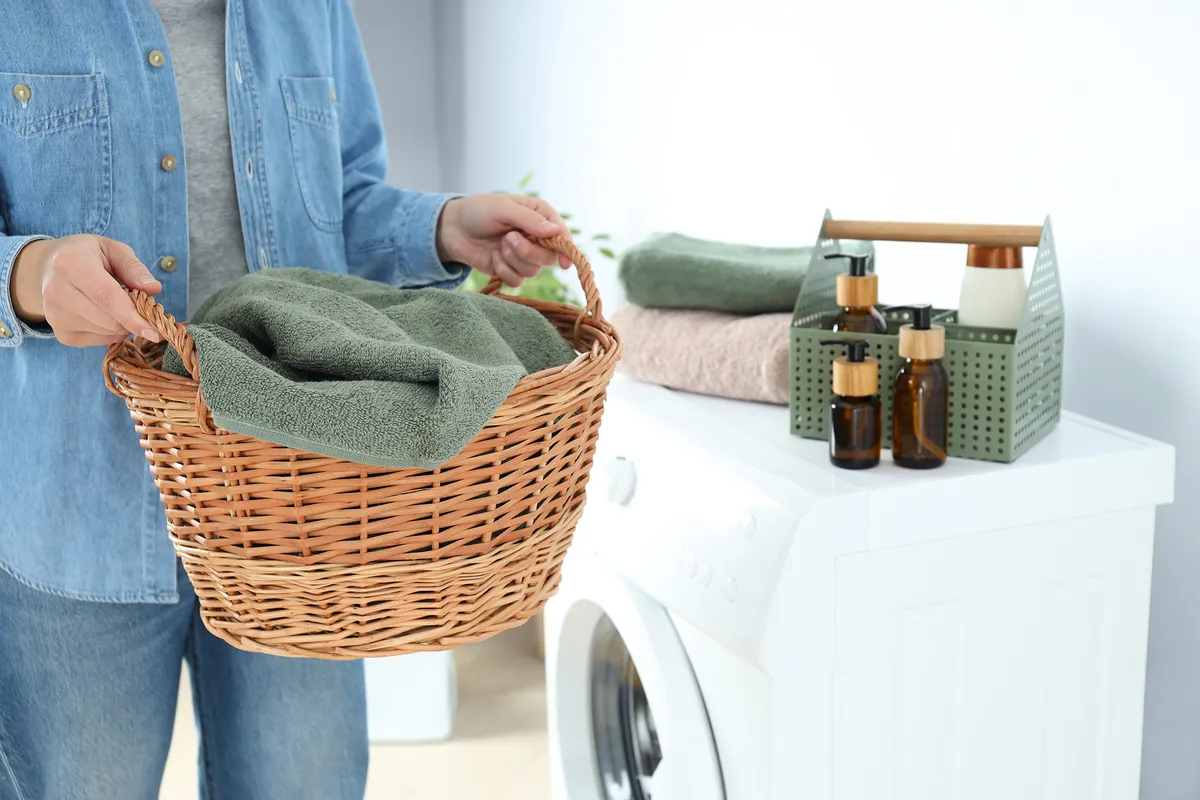
Before tossing anything in the washer, take time to prep. Rushing this stage leads to faded colors or damaged fibers. Sustainable clothes deserve that extra effort to keep their quality.
Decoding the Care Label: Understanding Fabric-Specific Needs
Every piece of sustainable clothing has a care label. It tells you the best way to clean it. Ignore it, and you risk shrinking or tearing delicate materials.
Look for certifications like GOTS for organic textiles. This means the fabric uses natural dyes that fade less in hot water. Fair Trade labels often signal sturdy blends, but always check for specifics. Organic cotton might handle warm washes, while Tencel needs cold only.
Check the label each time you wash. Blends change how clothes react. A cotton-linen mix wrinkles more than pure cotton. Read it close to match the right care.
Stain Treatment: Gentle, Natural Spot Cleaning Techniques
Stains happen to everyone. Treat them fast with soft methods to save natural fibers. Harsh chemicals strip dyes and weaken threads.
For grass on organic jeans, dab with a baking soda paste. Let it sit ten minutes, then rinse cold. Wine on linen? Soak in white vinegar diluted with water. These tricks lift dirt without harm.
Organic cotton holds stains tighter than treated fabrics. A grass mark might need two rounds of vinegar soak. Act quick—dried stains set deeper. This keeps your sustainable pieces looking new.
Sorting Strategies: Protecting Colors and Fibers
Sorting laundry isn't just about colors. Think about fabric type and dirt level too. Mix heavy denim with soft Tencel, and you get pulls or pilling.
Group lights from darks to stop bleeding. Separate delicates like bamboo tops from tough recycled pants. Soil matters—sweaty gym wear goes alone to avoid spreading grime.
Turn garments inside out always. This shields the outer layer from rubs during the spin. It cuts down on fading and keeps prints sharp. Simple habit, big results for long-lasting sustainable wear.
The Wash Cycle: Optimizing Temperature, Detergent, and Machine Settings
The wash itself makes or breaks your clothes' life. Wrong settings speed up wear. Get this right, and fibers stay strong.
Cold Water Washing: The Energy Saver and Fiber Protector
Stick to cold water for most sustainable loads. It saves energy and guards your garments. Hot water shrinks cotton and bleeds natural dyes.
Washing cold uses up to 90% less energy than hot cycles. Machines guzzle power mainly to heat water. Plus, low temps keep elastic in waistbands from snapping early.
Colors stay bright longer in cold washes. Think of that vibrant green Tencel shirt—it won't turn dull gray. Your bill drops, and the planet thanks you. Small change, huge impact.
Choosing Eco-Friendly Detergents (Free of Harsh Chemicals)
Pick detergents made for the earth and your clothes. Go for plant-based liquids that break down easy. Skip ones with sulfates—they eat at natural fibers over time.
Optical brighteners in regular soaps leave residue on organic cotton. It builds up, making fabric stiff. Sulfate-free options clean gentle, like those from Seventh Generation.
Textile experts say pH-neutral formulas work best. They match sustainable fabrics' needs. One pro tip: dilute the soap to avoid buildup. Clean clothes, clean conscience.
Mastering Load Size and Machine Settings
Don't cram the washer full. Give clothes space to swish without fighting. Overloads rub fibers raw, causing early tears.
Use the delicate cycle for most sustainable items. It spins slower, less stress on threads. Permanent press works too for wrinkle control in linen.
For wool knits or bamboo, slip them in a mesh bag. This stops tangles and pulls. Keep loads half full max. Your machine runs better, clothes last longer.
Specialty Care for High-Performance Sustainable Materials
Not all eco-fabrics wash the same. Tailor your approach to each type. This keeps high-end pieces performing like new.
Caring for Organic Cotton and Linen: Preventing Wrinkles and Shrinkage
Organic cotton loves cold washes but hates high heat. It shrinks up to 5% in warm water. Linen wrinkles easy—handle it soft to keep that crisp look.
Shorten the spin cycle for linen. Too long, and creases set deep. Add vinegar to the rinse for cotton. It softens without softeners' chemicals.
Picture your favorite organic tee after a hot wash—tiny and twisted. Avoid that. Air it out right, and it stays comfy for seasons.
Tencel/Lyocell and Bamboo: The Risks of Friction and Heat
Tencel and bamboo turn silky when wet but fragile. Friction pills them fast. Heat warps the rayon base.
Wash on gentle, cold only. No tumble dry—hang to drip dry. Rough towels in the load snag these fibers bad.
One time, a Tencel dress pilled after mixing with jeans. Lesson learned: wash solo or with likes. Keep them smooth and strong.
Maintaining Performance in Recycled Synthetics (e.g., rPET)
Recycled polyester from bottles sheds tiny plastics. It pollutes water if not caught. Use a filter bag to trap them.
Wash cold, inside out. This cuts shedding by half. Guppyfriend bags snag 80% of microfibers—easy win for oceans.
These fabrics hold shape well but fade in sun. Dry in shade. Your recycled jacket stays water-resistant longer.
Drying: The Most Critical Stage for Longevity
Drying decides if clothes bounce back or break down. Heat shortens life quick. Choose air over dryer when you can.
Air Drying Mastery: Line Drying vs. Flat Drying Techniques
Air dry beats machine every time. No heat means no shrinkage or faded colors. Line dry light items like tees.
For knits or jeans, lay flat. Hanging wet heavies stretches them out of shape. Use a rack indoors if rain hits.
Sun fades natural dyes, so shade dry. Clips on lines prevent shoulder dents. Patience here doubles garment years.
When to Use the Dryer: Low Heat and Short Cycles Only
Dryer needed? Go low heat, short time. Air fluff or tumble low saves elasticity.
High heat breaks down 70% of fiber damage in drying. It melts synthetics subtle. Pull out damp, finish air drying.
Tencel in dryer? Risky—pills form easy. Stick to air for these. Save the dryer for quick towels only.
Restoring Shape Post-Drying
Fresh off the line, shake items out. This smooths wrinkles natural. Linen loves a quick steam from a kettle.
Fold knits right away to hold form. No iron needed often. Hemp straightens with a gentle pull.
Your sustainable pants look pressed without plugs. Saves energy, keeps fabric happy.
Conclusion: Investing in Longevity Through Mindful Laundering
Sustainable clothes cost more up front but pay back over time. Wash them smart, and they outlast fast fashion heaps. You cut waste, save cash, and feel good about your choices.
Key takeaways:
- Wash cold and turn inside out.
- Use gentle, eco-certified detergents.
- Air dry whenever possible; avoid high heat.
- Treat stains immediately with natural solutions.
Start these habits today. Your wardrobe—and the world—will thank you. Share your tips in comments below.
FAQ:
Taking good care of your sustainable clothes helps them stay beautiful and wear well over time. This FAQ answers common questions about washing eco-friendly fabrics so your favourites can last for years without losing their charm.
Why is washing sustainable clothes different?
Sustainable clothes are often made from natural fibres or recycled materials that need gentler care. Washing them carefully preserves the fabric, colour, and shape and reduces environmental impact.
How should I sort sustainable clothes before washing?
Sort by colour and fabric type, just like regular laundry. Washing delicate or natural fabrics separately from heavier items helps prevent damage and colour transfer.
What water temperature is best?
Use cold or lukewarm water (around 30°C/86°F) whenever possible. Hot water can shrink or fade sustainable fabrics and uses more energy.
Can I use any detergent on sustainable clothes?
It's best to use a mild, eco-friendly detergent free of harsh chemicals and bleach. These gentle detergents protect fibres and help keep your clothes safe for skin and the planet.
Should I turn clothes inside out before washing?
Yes! Turning garments inside out reduces friction on the outside, helping colours stay vibrant and fabrics last longer.
Is hand washing necessary?
Not always, but hand washing is a great option for very delicate items or garments with special finishes. If you use a machine, pick a gentle cycle to avoid rough agitation.
What about drying sustainable clothes?
Air drying is the safest method. Avoid tumble dryers, which can shrink or weaken fibres. Lay items flat to dry when possible, or hang them away from direct sunlight to prevent fading.
How often should I wash sustainable clothes?
Wash only when necessary to reduce wear and conserve resources. Spot clean small stains and air out clothes between wears to keep them fresh longer.
Can I iron sustainable clothes?
Check the care label first, but generally use a low heat setting and iron inside out. For extra protection, place a cloth between the iron and your garment.
We hope these tips help you enjoy your sustainable wardrobe for many years. If you have more questions or want personalised advice, feel free to ask — we’re here to help!